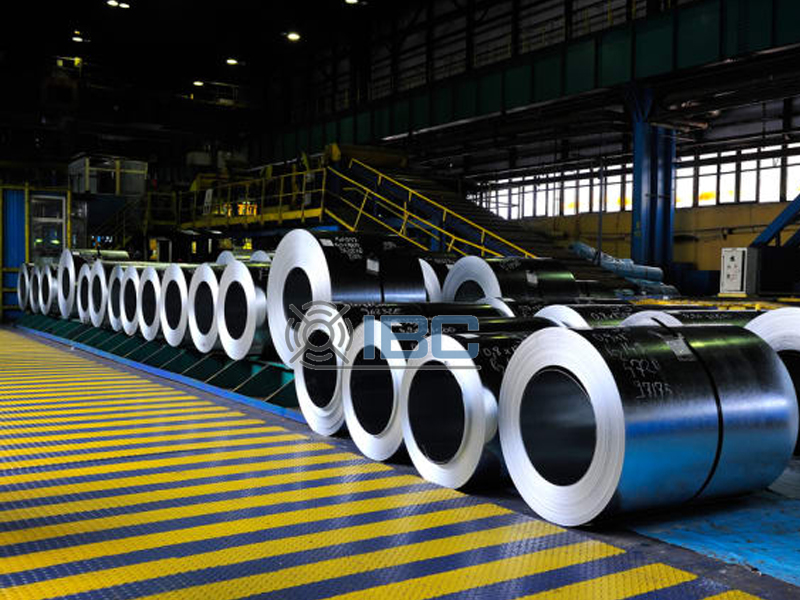
How to Choose Zinc Coating Thickness for Your Project? When sourcing galvanized steel coil, one of the most critical technical decisions you’ll face is selecting the appropriate zinc coating thickness. Choosing correctly means your project will enjoy decades of durability; choosing incorrectly can lead to premature failure and costly replacements.
The term Zinc Coating Mass, often abbreviated as Z/Mass (e.g., Z120, Z275), is the international language for specifying this. But what do these numbers mean, and how do you match them to your application? This comprehensive guide will walk you through everything you need to know.
Understanding the “Z/Mass” Designation
First, let’s demystify the terminology. The “Z” stands for Zinc, and the number following it represents the minimum total coating mass on both surfaces of the steel sheet, expressed in grams per square meter (g/m²).
Example: Z120 means the combined zinc coating on the top and bottom of the steel is at least 120 grams per square meter. This typically translates to an average of 60 g/m² per side.
This measurement is governed by international standards like EN 10346 and is a more precise metric than simply measuring the coating thickness in microns.
The Common Coating Classes and Their Typical Applications
Here is a practical breakdown of the most common Z/Mass classes to help you visualize their use cases:
| Coating Designation | Total Coating Mass (g/m²) | Typical Application Scenarios |
|---|---|---|
| Z60 / Z90 | 60 – 90 | Indoor Applications: Electrical cabinets, light-gauge furniture, domestic appliances. Environments with low corrosion risk. |
| Z120 / Z150 | 120 – 150 | General Construction & Manufacturing: Roof and wall cladding (in non-aggressive environments), storage racks, agricultural equipment, HVAC ducts. A versatile and cost-effective choice. |
| Z180 / Z200 | 180 – 200 | Demanding Environments & Structural Use: Structural frameworks, truck trailers, shipping containers, balcony railings. Offers excellent corrosion resistance for outdoor exposure. |
| Z275 / Z350 | 275 – 350 | Heavy-Duty & Industrial Applications: Industrial buildings in coastal areas, sound barriers, high-strength structural components, heavy-gauge purlins and girts. |
| Z450 / Z600 | 450 – 600 | Extreme Conditions: Guardrails on highways, transmission towers, offshore installations, any application requiring a very long service life with minimal maintenance. |
Pro Tip: A higher Z/Mass number directly correlates with longer service life and better coating durability, but it also comes at a higher cost. The key is to find the sweet spot for your specific needs.
4 Key Factors About How to Choose Zinc Coating Thickness
Making an informed decision goes beyond just looking at a chart. Consider these four critical factors:
1. Environmental Corrosivity (The Most Important Factor)
The environment where your steel will be used is the primary driver. The more aggressive the environment, the thicker the coating you’ll need.
- C1/C2 (Low Risk): Heated buildings, dry indoor air. (Z60 – Z150 may suffice).
- C3 (Medium Risk): Urban and industrial atmospheres, moderate pollution. (Z150 – Z200 is common).
- C4/C5 (High Risk): Coastal areas with salt spray, industrial zones with high pollution, road tunnels. (Z275 and above is often recommended).
2. Project Life-Cycle Expectation
Are you building a temporary warehouse or a landmark bridge designed to last 50 years? The desired service life of the project is crucial. A Z180 galvanized steel coil might be perfect for a 25-year building, while a Z350 or higher would be specified for critical infrastructure.
3. Budgetary Constraints
Be mindful of your budget. While Z275 offers superior protection, it can be 20-30% more expensive than Z120. Over-specifying can unnecessarily inflate your project costs. Conversely, under-specifying can lead to much higher maintenance and replacement costs down the line—a classic case of “false economy.”
4. Fabrication and Post-Treatment
How will the steel be handled after purchase?
Severe Forming or Welding: Very thick coatings can be more challenging to weld without damaging the coating and may require specific procedures. Galvannealed (GA) coil, which has a smoother, matte surface, is often preferred for superior weldability and paint adhesion.
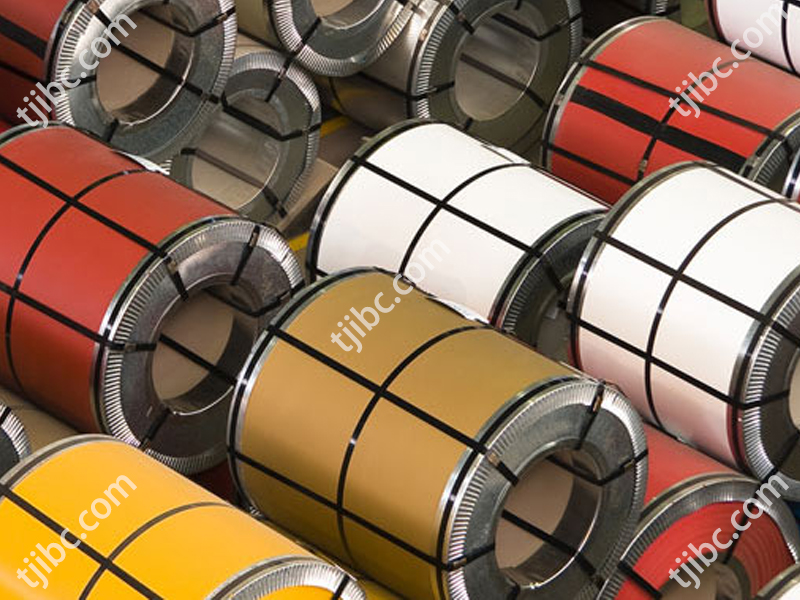
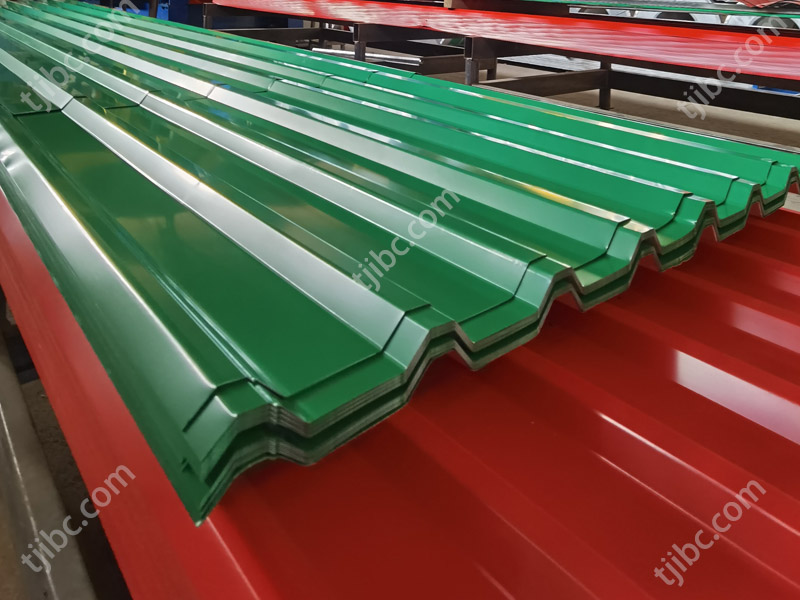
Will it be Painted? If the steel is destined to be pre-painted (PPGI), a thinner coating like Z120 or Z150 with a minimized spangle or spangle-free surface is often ideal and cost-effective, as the paint system will provide the primary protection.
Practical Recommendation and Next Steps
Consult Standards: Always refer to project specifications which often dictate a minimum coating class based on the factors above (e.g., “ASTM A653 Grade 80 with Z275 coating”).
Talk to Your Supplier: A reputable galvanized steel coil supplier is an invaluable resource. Provide them with details of your project’s environment and intended use. They can provide case studies and technical data sheets to guide you.
Test if Unsure: For critical applications, consider conducting a salt spray test on samples with different coating weights to simulate and compare their performance.
Conclusion
Selecting the right zinc coating weight is a balancing act between environmental demands, longevity requirements, and project budget. By understanding the Z/Mass system and systematically evaluating your project’s needs, you can make a confident, data-driven decision that ensures structural integrity, longevity, and ultimate value.
Still have questions about choosing the perfect galvanized steel coil for your project? Contact our technical experts today. We’ll help you analyze your requirements and recommend the ideal product, from Z60 to Z600, to ensure your project’s success.