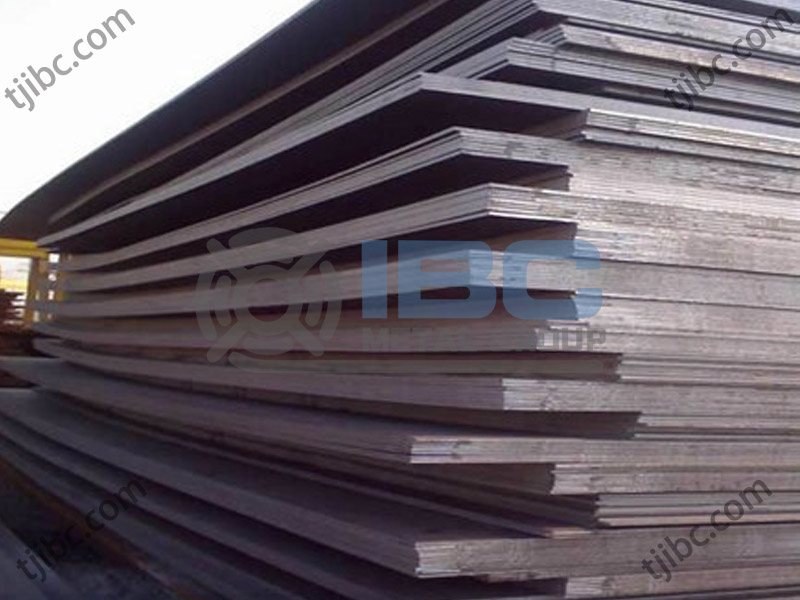
Choosing the wrong EN 10028-2 pressure vessel steel can risk safety and cause costly project delays. This standard includes many grades, but how do you select the right one? This clear guide compares key grades like P355GH, 16Mo3, and 13CrMo4-5 steel. We focus on their strength, temperature limits, and best uses to help you make a fast, informed choice for your petrochemical, power, or chemical project.
Understanding Key EN 10028-2 Grades: A Quick Comparison
Your choice mainly depends on operating temperature and the need for corrosion resistance. Here’s a simple breakdown of three common grades.
| Selection Factor | P355GH (1.0473) | 16Mo3 (1.5415) | 13CrMo4-5 (1.7335) |
|---|---|---|---|
| Main Advantage | High strength at low cost for general use. | Good strength at medium temperatures (up to ~500°C). | Superior strength and corrosion resistance at high temperatures (up to ~550°C). |
| Temperature Range | Best for room to medium temperature. | Ideal for 300°C to 500°C service. | Best for 450°C to 550°C or corrosive environments. |
| Typical Uses | Storage tanks, air receivers, structural parts. | Power plant boilers, heat exchangers. | Petrochemical reactors, cracker tubes, high-temperature piping. |
| Weldability Note | Good, standard procedures work well. | Requires preheat and post-weld heat treatment (PWHT). | Needs strict control of welding process and PWHT. |
How to Select the Right Grade for Your Project
Follow these three steps to narrow down your pressure vessel steel plate choice.
Step 1: Define Your Operating Conditions
What is the maximum continuous temperature and pressure? Is there exposure to hydrogen, sulfur, or other corrosive elements? P355GH steel works for many general applications, but you need 16Mo3 or 13CrMo4-5 steel for higher heat.


Step 2: Balance Performance with Fabrication Needs
Consider your workshop’s capabilities. While 13CrMo4-5 offers the best high-temperature performance, it requires more careful welding. 16Mo3 steel offers a good balance for many high-temperature applications with slightly easier fabrication.
Step 3: Verify Compliance and Certification
Always insist on a Mill Test Certificate (MTC) according to EN 10204 3.1 or 3.2. This certificate proves the steel plate meets the exact chemical and mechanical requirements of the EN 10028-2 standard you ordered.
Common Applications in Major Industries
The right EN 10028-2 steel plate ensures safety and longevity in critical equipment.

Petrochemical & Refining: Reactors, distillation columns, and heat exchangers. 13CrMo4-5 is often specified for furnace tubes and transfer lines in cracking units.
Power Generation (Thermal & Nuclear): Boiler drums, superheaters, and steam lines. 16Mo3 is a standard choice for many boiler components.
Chemical Processing: Vessels for fertilizer production (ammonia, urea) and various chemical reactors. Material selection depends on the specific process media and temperatures.
Why Partner with IBC Group for Your Pressure Vessel Steel?
Selecting the right pressure vessel steel requires both knowledge of standards and practical experience. IBC Group provides more than just materials; we provide reliable solutions.
- Technical Guidance: We help you choose between P355GH, 16Mo3, and 13CrMo4-5 based on your design and budget.
- Fully Certified Material: We supply EN 10028-2 steel plate with full traceability and proper MTCs to meet strict inspection requirements.
- Expert Processing: We offer precision cutting, edge preparation, and surface treatment to deliver components ready for fabrication.
Ready to Specify the Correct Grade?
Don’t leave material selection to chance. Contact IBC Group today for a technical consultation. Send us your project specifications or drawings, and our experts will recommend the optimal EN 10028-2 pressure vessel steel plate for your application, complete with a competitive quote.
Contact with us today!