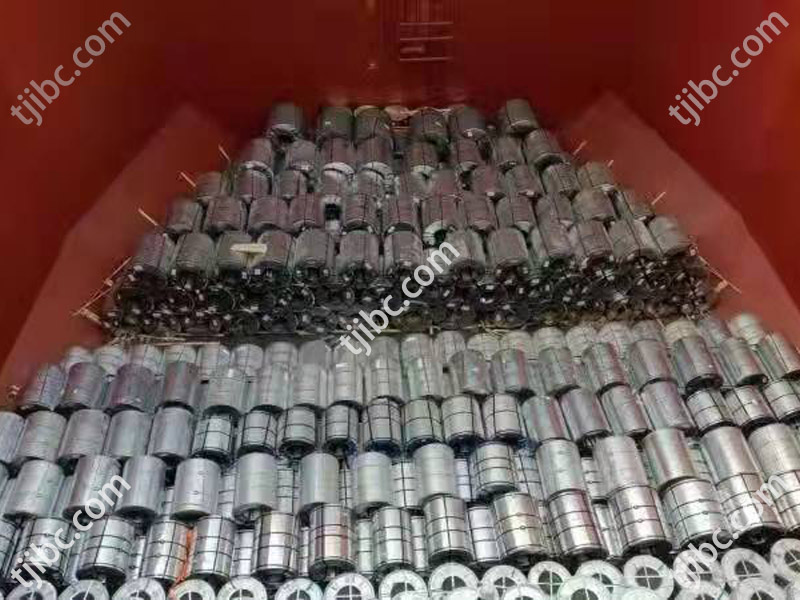
The market price of cold rolled steel coil is influenced by a variety of economic, industrial, and global factors. Understanding these elements is crucial for buyers, suppliers, and stakeholders in the manufacturing and construction sectors. This article delves into the primary drivers that cause price changes in this essential material.
Supply Chain and Production Costs
One of the most significant elements affecting the price of cold rolled steel coil is the cost of production. This includes expenses related to raw materials, especially hot rolled coil, which is the primary input. Energy prices, labor costs, and transportation fees also contribute to the overall cost structure.

Any increase in these areas often leads to higher market prices. Additionally, operational efficiencies, technological advancements in production, and environmental regulations can impact how manufacturers manage their expenses. Trade policies and tariffs further influence the supply side, as restrictions or duties on imported steel can reduce availability and drive up domestic prices. When supply chains face disruptions—due to geopolitical issues, logistics bottlenecks, or natural disasters—market volatility often follows.
Market Demand and Economic Conditions
Demand for cold rolled steel coil is closely tied to the health of key consuming industries such as automotive, construction, and appliance manufacturing. During periods of economic growth, these sectors typically expand, leading to increased orders for high-quality steel products. Conversely, in an economic downturn, demand may drop, resulting in price reductions. Global economic trends, including inflation rates, currency exchange fluctuations, and industrial output levels, also play a critical role.
For instance, a strong U.S. dollar can make exports more expensive, potentially reducing international demand. Regional development projects and government infrastructure investments can create sudden spikes in demand, temporarily pushing prices upward. Monitoring economic indicators helps anticipate market movements.
Raw Material Pricing and Global Trade
The cost of iron ore and scrap metal significantly impacts the final price of cold rolled steel coil. Since these raw materials are traded on global markets, their prices fluctuate based on worldwide supply and demand dynamics. For example, if major iron ore producers face output issues, material costs may rise abruptly. Global trade relationships and policies also affect pricing.

Tariffs, anti-dumping duties, and trade agreements change the competitive landscape, either opening up markets or protecting domestic industries. Furthermore, environmental and sustainability initiatives are increasingly shaping production methods. As more manufacturers adopt greener technologies, operational costs may shift, influencing the market value of the finished product.
IBC Group: Quality and Customized Solutions
IBC Group stands out as a reliable global supplier of cold rolled steel coil, offering a wide range of specifications tailored to diverse industrial needs. Our products meet high standards of durability and consistency, ensuring excellent performance for various applications. We provide detailed size and specification sheets to help clients choose the exact product they require, facilitating informed purchasing decisions.
| Parameter Category | Available Specifications & Tolerances | Notes & Common Applications |
| Standard Widths | 20 mm – 500 mm (0.75″ – 19.75″) | Wider coils available upon special request for specific projects. |
| Thickness (Gauge) | 0.5 mm – 5.0 mm (0.020″ – 0.197″) | We specialize in producing consistent gauge control throughout the entire coil length. |
| Coil Weight (Max) | Up to 5,000 kg | Standard packaging ensures coil integrity and prevents uncoiling during transport. |
| Inner Diameter (ID) | 510 mm (20″) or 610 mm (24″) | Other IDs can be accommodated to fit specific decoiler equipment. |
| Tensile Strength | 420 MPa – 800 MPa | Varies based on material grade and the degree of cold working. We can tailor mechanical properties. |
| Material Grades | Commercial Quality (CQ), Drawing Quality (DQ), Drawing Quality Special Killed (DQSK), Alloy Steels | Grades include but are not limited to 1008, 1010, 1018, 1020, 1022, 1035, 1045. |
| Surface Finish | Bright (Smooth), Matte | The cold drawing process yields a clean, scale-free surface ideal for painting or plating. |
| Edge Profile | Round Edge (RE), Square Edge (SE) | Standard is Round Edge for safety and processing. Square Edge is available for specific needs. |
| Tolerances | Width: ±0.1 mmThickness: ±0.03 mm | Our stringent process control guarantees exceptional dimensional consistency for precision manufacturing. |
With a strong logistics network and customer-oriented service, IBC Group ensures timely delivery and competitive pricing. For those looking to source quality steel products, we invite you to review our offerings and contact our team for orders or further information.
Contact with us today!