Selecting the optimal cold forming processes is critical for the success of your metal component. Both cold heading vs cold rolling are pivotal manufacturing techniques performed at room temperature, but they serve vastly different purposes. This guide delves into their core principles, applications, and provides a clear framework to help you make an informed decision, ensuring your project benefits from the right combination of strength, precision, and cost-efficiency.

Understanding Cold Heading: The Art of Volumetric Forming
Cold heading is a high-speed cold forming process that shapes metal wire into complex, three-dimensional parts by applying tremendous pressure within a series of dies.
Key Characteristics of Cold Heading:
- High Material Utilization: This process is renowned for its exceptional efficiency, with material utilization rates often exceeding 95%, drastically reducing waste.
- Superior Strength: The grain flow of the metal is followed and compressed during forming, enhancing the mechanical properties of the final cold headed parts like bolts and screws.
- High-Speed Production: It is ideal for mass-producing small, intricate components at volumes that other processes cannot match cost-effectively.
Primary Applications:
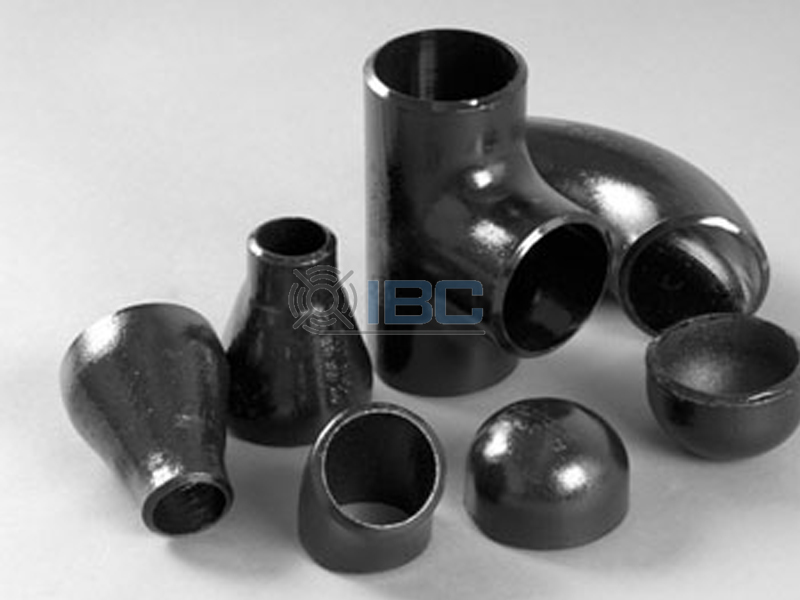
The cold heading process is predominantly used to manufacture precision fasteners and other near-net-shape components. Common cold headed parts include:
- Bolts, screws, and nuts
- Rivets and pins
- Specialized shafts and complex custom fasteners
Understanding Cold Rolling: The Science of Sheet Perfection
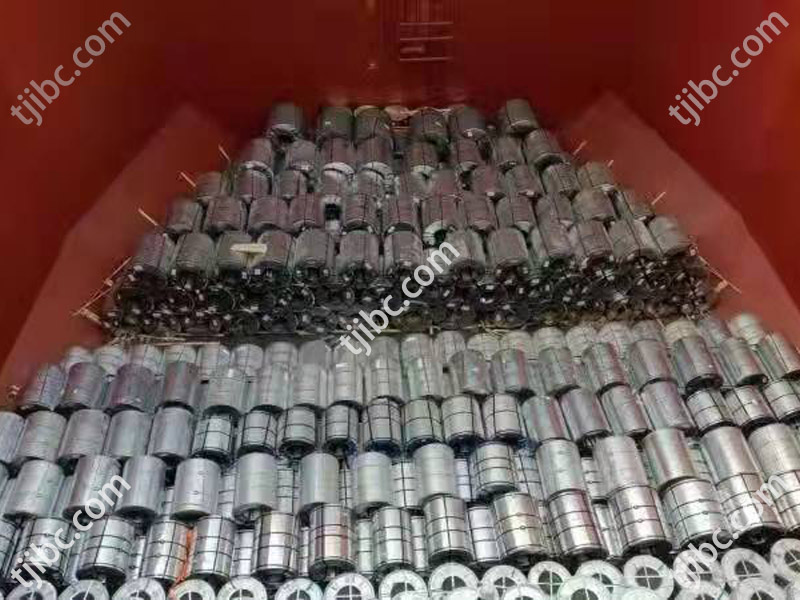
In contrast, cold rolling is a cold forming process that reduces the thickness and improves the surface finish of metal sheets or strips by passing them through a series of rollers at room temperature.
Key Characteristics of Cold Rolling:
- Enhanced Mechanical Properties: The process significantly increases the yield strength and hardness of the metal through work hardening.
- Superior Surface Finish: It produces sheets and strips with an exceptionally smooth and uniform surface, ideal for subsequent painting or plating.
- Precise Dimensional Control: Cold rolling allows for extremely tight tolerances on thickness, width, and flatness, which is crucial for applications like automotive panels.
Primary Applications:
The cold rolling process is essential for creating high-quality flat-rolled products. The resulting cold rolled sheet is widely used in:
- Automotive body panels and chassis components
- Appliances, furniture, and building cladding
- Base material for galvanized or coated steel products
Direct Comparison: Cold Heading vs Cold Rolling at a Glance
| Feature | Cold Heading | Cold Rolling |
|---|---|---|
| Input Material | Wire Rods, Coils | Slabs, Hot-Rolled Strips |
| Output Product | 3D Parts (Fasteners, shafts) | 2D Sheets & Strips |
| Material Strength | Improved through grain flow | Significantly increased (work hardening) |
| Key Advantage | High-speed, low-waste mass production | Excellent surface finish & dimensional accuracy |
| IBC Group Service | Custom cold headed parts manufacturing | Supply of precision cold rolled sheet |
How to Choose: A Practical Decision Framework
Your choice between these cold forming processes hinges on a single question: What is your final product?
Choose COLD HEADING if:
You need to produce massive volumes of discrete, three-dimensional components. This is the most economical and efficient method for manufacturing cold headed parts like custom fasteners, where material savings and production speed are paramount.
Choose COLD ROLLING if:
You require high-strength, impeccably smooth flat-rolled products. If your project depends on the quality of cold rolled sheet or strip for applications from automotive panels to architectural elements, this is the necessary process.
Leverage IBC Group’s Expertise in Cold Forming
Navigating the choice between cold heading vs cold rolling requires deep manufacturing expertise. At IBC Group, we provide more than just materials—we deliver end-to-end cold forming solutions tailored to your project’s unique demands.

Our Capabilities Include:
Precision Cold Rolled Supply: We source and supply a wide range of high-quality cold rolled sheet products, meeting exact dimensional and mechanical specifications.
Custom Cold Heading Services: We produce high-volume, precision cold headed parts with strict adherence to international standards.
Still unsure which cold forming process is right for your component?
Contact IBC Group’s engineering team today for a professional assessment. We’ll help you select the optimal method for performance, cost, and lead time.
Contact with us today!