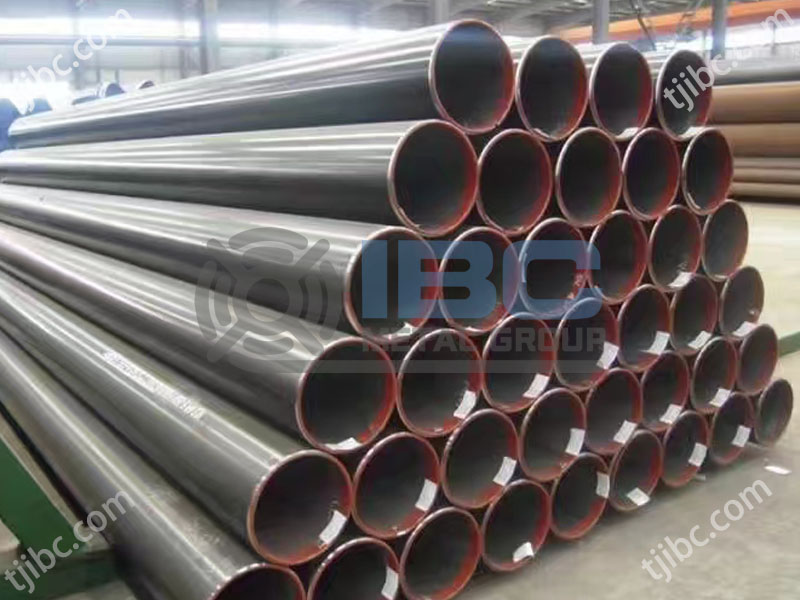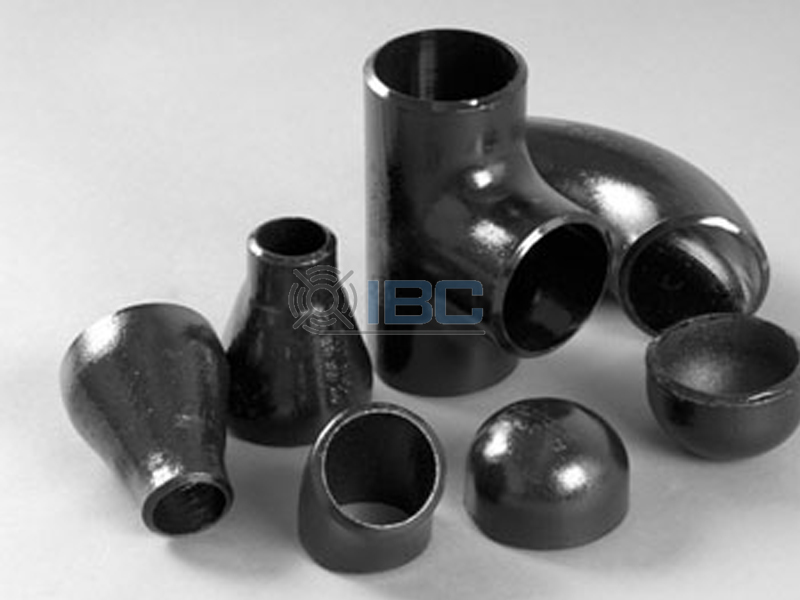
At IBC Group, we provide comprehensive solutions for robust piping needs. Our bituminous coated pipes are supplied to meet exacting international and project-specific standards, ensuring longevity and reliability. The table below summarizes key information regarding our product offering.
| Parameter | IBC Group Specifications |
| Applicable Standards | AWWA C203, EN 10310, DIN 30671, ISO 5256, or Customer-Specified |
| Base Pipe Material/Grade | Carbon Steel (Q235, Q355, etc.), API 5L Gr B, or as required |
| Coating Type | Bituminous Enamel (Coal Tar or Petroleum-Based), Bituminous Tape |
| Coating Thickness | Customizable, typically from 2mm to 5mm or as per standard specification |
| Pipe Size (Diameter) | 1/2″ NB to 48″ NB, and larger upon request |
| Customization | Cut to Length, Beveled Ends, Threading, etc. |
| Packaging | Standard Export Packaging (Bundled, Capped Ends, Wrapped for weather protection) |
| Logistics | Global Shipping by Container or Bulk Vessel, supported by complete documentation |
This combination of quality products and seamless service forms the foundation of our offering. Now, let us delve into the essential technical aspects that make bituminous coated pipe a critical component in infrastructure worldwide.

Bituminous coated pipe serves as a fundamental defense mechanism against one of the most persistent challenges in industrial and municipal infrastructure: corrosion. This protective coating system involves the application of a specially formulated bituminous layer to the external surface of steel pipes. The primary goal is to create a continuous and impermeable barrier. This barrier effectively isolates the steel from corrosive elements in the environment. These elements include moisture, chemicals, and electrolytes found in soil and water.
The system’s effectiveness relies on the natural properties of bitumen. Bitumen bonds strongly to properly prepared steel. It also offers excellent resistance to water. This combination keeps the steel substrate protected. As a result, it significantly extends the service life of pipelines buried underground or submerged in water.
This method has proven reliable over many decades. It has been used successfully in countless projects. That is why engineers who prioritize long-term performance and cost-effectiveness continue to trust it.
The Science of Corrosion Protection
The superior performance of bituminous coatings stems from their multi-faceted approach to preventing steel degradation. The process begins with rigorous surface preparation, where the steel pipe is abrasive blast-cleaned to a near-white metal finish. This step is crucial as it removes all mill scale, rust, and contaminants, creating a perfectly clean and profiled surface that maximizes mechanical adhesion. The heated bituminous enamel is then applied, typically via extrusion or spraying, forming a thick, seamless film. This layer acts primarily as a barrier, possessing extremely low permeability to water and oxygen, which are essential components for the electrochemical reactions that cause corrosion.
Furthermore, the bitumen’s high dielectric strength increases the electrical resistance between the pipe and its surrounding environment, effectively stifling the flow of corrosive currents. The result is a robust, long-lasting shield that maintains its integrity even in demanding conditions, ensuring the pipeline’s structural soundness for years without the need for frequent maintenance or early replacement.
Primary Applications Across Industries
The unique properties of bituminous coated pipe make it exceptionally suitable for a wide range of applications where exposure to corrosive environments is a given. These pipes serve extensively in the water and wastewater sector for raw water transmission mains, potable water distribution lines, and effluent discharge pipelines. The coating’s resistance to microbial activity and various chemicals found in soils and water makes it an ideal choice for protecting vital public health infrastructure. Another major application is in the oil and gas industry for transporting non-heated crude oil and gas, as well as for pipeline casing protection.

The marine and port construction industry also relies heavily on this piping for seawater intake and outfall lines, piling, and other structural elements exposed to saline conditions. Its ability to withstand constant immersion and abrasion offers unparalleled protection. The versatility of this corrosion protection method ensures that assets are safeguarded against degradation, reducing lifecycle costs and enhancing operational safety across these critical sectors.
Selecting the Right Coating Specification
Choosing the appropriate bituminous coated pipe requires careful consideration of the specific service conditions and project requirements. Engineers must evaluate factors such as the soil resistivity, pH level, and presence of stray currents at the installation site. For submerged applications, the chemical composition of the water is a critical factor. The choice between coal tar enamel and petroleum bitumen depends on environmental regulations, temperature stability needs, and specific chemical resistance requirements.
The coating thickness must be specified to withstand anticipated mechanical stresses during handling, backfilling, and service. Adherence to recognized international standards, such as AWWA C203 for water works or DIN 30671 for general purposes, provides a reliable framework for quality and performance. It is essential to partner with a supplier who understands these nuances and can guide the selection process to ensure the pipeline system achieves its designed service life with minimal intervention. This careful planning during the specification stage is the key to a successful and durable pipeline installation.

In conclusion, the strategic use of bituminous coated pipe remains a highly effective and economically viable solution for combating corrosion in demanding environments. Its proven track record, combined with ongoing refinements in application techniques, secures its place as a cornerstone of modern infrastructure. For projects requiring dependable performance and long-term value, this protective system offers a compelling answer. We invite you to contact IBC Group with your specific project parameters. Our technical team is ready to assist you in selecting the optimal pipe and coating specification to meet your challenges head-on.
Contact with us today!