Understanding Weathering Steel and Its Inherent Protection
Weathering steel represents a category of high-strength, low-alloy steels renowned for their exceptional resistance to atmospheric corrosion. Unlike conventional steels, this material develops a stable, adherent rust-like appearance when exposed to the elements over time. This protective layer, known as the patina, forms a barrier that significantly slows the corrosion rate.
The chemical composition of weathering steel includes specific elements that facilitate this unique self-protecting characteristic, making it a preferred choice for structures where durability and minimal maintenance are paramount. The performance and classification of these steels depend heavily on their alloy content and the specific standards they meet.
ASTM Standard Classifications for Weathering Steel
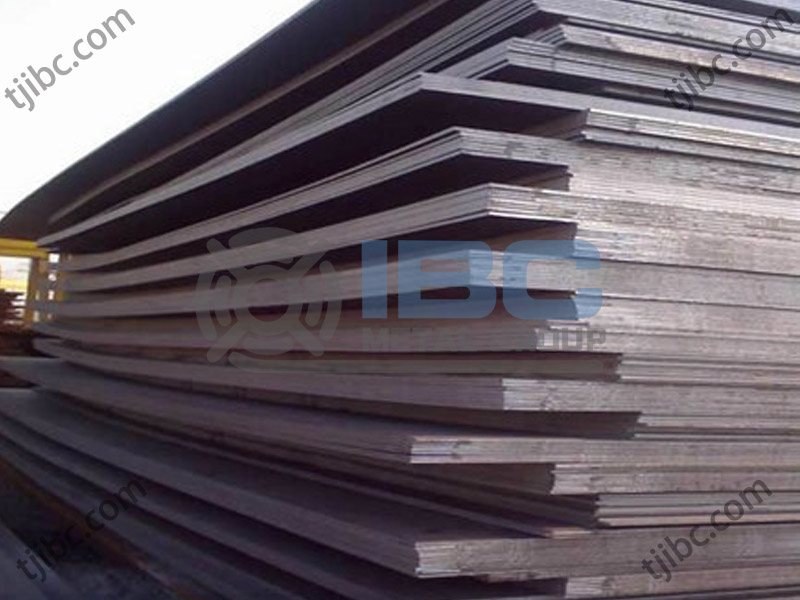
The American Society for Testing and Materials (ASTM) provides the most widely recognized standards for weathering steel, with several key grades defining the market. ASTM A242 is a high-strength, low-alloy steel that offers enhanced atmospheric corrosion resistance. It is often specified for structural shapes, plates, and bars in building construction and other architectural applications.

Another prominent specification is ASTM A588, which is commonly used in bridges and structures. This grade maintains a minimum specified yield strength and is known for its weldability and toughness. A588 contains chromium, nickel, and copper. These elements work together to form a protective patina.
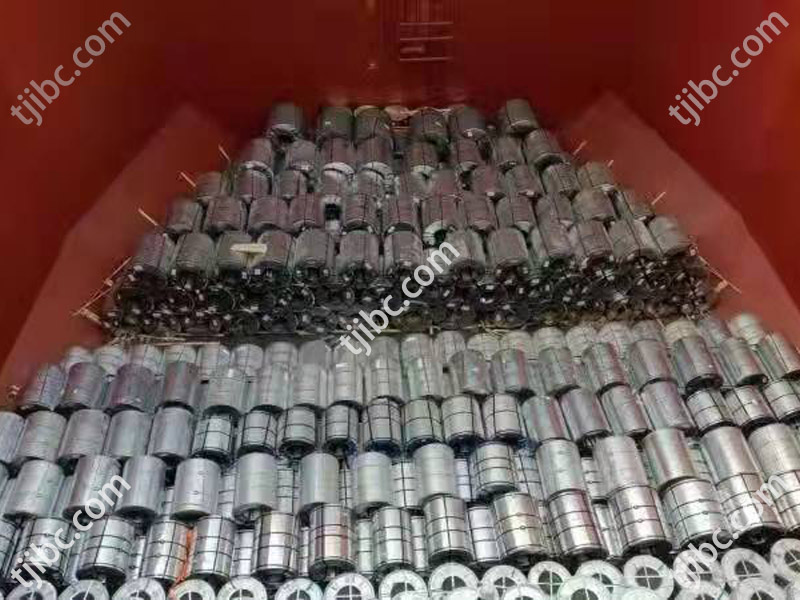
ASTM A606 is another major classification for sheet and strip. It is usually supplied in coils. This type is widely used in architectural panels and other lightweight, exposed applications. Specific types, like A588 Grade A versus Grade K, indicate differences in chemical limits and mechanical properties. These variations are designed for different manufacturing processes and performance needs.
The Corten Family of Weathering Steels
People often use the term “Corten” interchangeably with weathering steel. However, it specifically refers to a series of grades that U.S. Steel originally developed.
Corten A meets the ASTM A242 standard, and engineers primarily intend it for structural applications like building facades and bridges. It offers a balanced combination of strength, formability, and corrosion resistance.
On the other hand, Corten B aligns with ASTM A588. Engineers generally prefer it for load-bearing components that require higher thickness sections. The main distinction between the two lies in their phosphorus content and other minor alloying adjustments, which influence the weathering performance and mechanical properties in different service environments.
Both grades develop the characteristic rich, dark brown patina that is aesthetically prized by architects and designers. The choice between Corten A and B depends on the project’s specific requirements for section size, mechanical strength, and the desired corrosion protection mechanism over the long term.
European and Other International Classifications
Beyond the ASTM system, other international standards offer their own classifications for weathering steel, reflecting regional material preferences and manufacturing practices. The European standard EN 10025-5 outlines grades like S355J0W, S355J2W, and S355K2W. The alphanumeric codes indicate the minimum yield strength, impact toughness properties, and the “W” designation for improved atmospheric corrosion resistance. Japan’s industrial standard JIS G 3114 includes a popular grade known as SPA-H, which is frequently used for shipping containers and structural applications requiring high durability.

China’s GB/T 4171 standard includes grades like Q295GNH, Q355GNH, and Q460GNH. These names indicate the yield strength and weathering performance of the steel. Although chemical compositions may vary slightly across international standards, they all follow a common principle. They use copper, chromium, silicon, and phosphorus to form a stable, protective rust layer. This protective layer defines the entire family of weathering steels.
Performance Characteristics Across Classifications
The various classifications of weathering steel share core performance benefits that make them suitable for exposed applications. The most significant characteristic is their ability to form the protective patina, which eliminates the need for painting and reduces long-term maintenance costs. This patina develops and stabilizes over a period of wet and dry cycles, typically taking one to three years to fully mature in an industrial or rural atmosphere.
These steels also possess higher strength-to-weight ratios compared to plain carbon steels, allowing for lighter and more efficient structural designs. Their toughness and ductility at ambient temperatures ensure good performance under load and during fabrication processes like cold bending. It is important to note that the performance of weathering steel can vary depending on the specific environmental conditions, such as the presence of chlorides in coastal areas or persistent dampness, which may prevent the patina from forming correctly and require special design consideration.
Contact with us today!