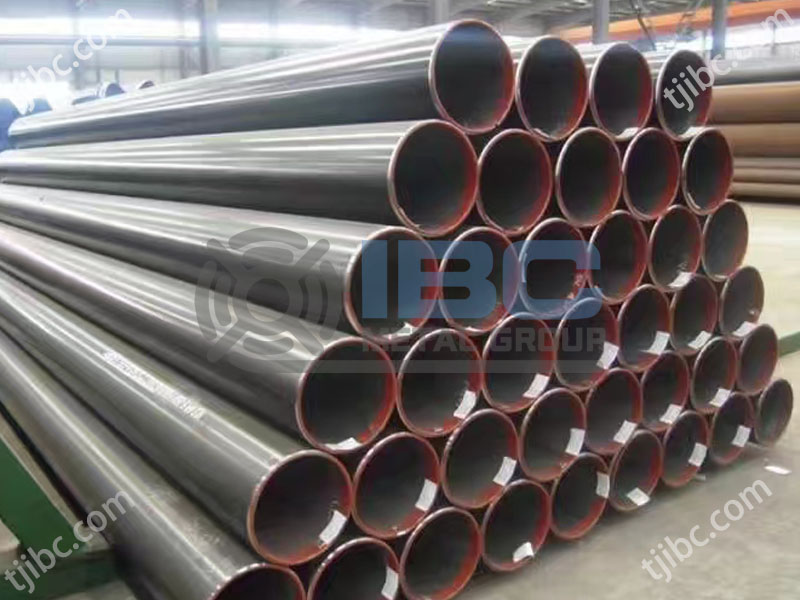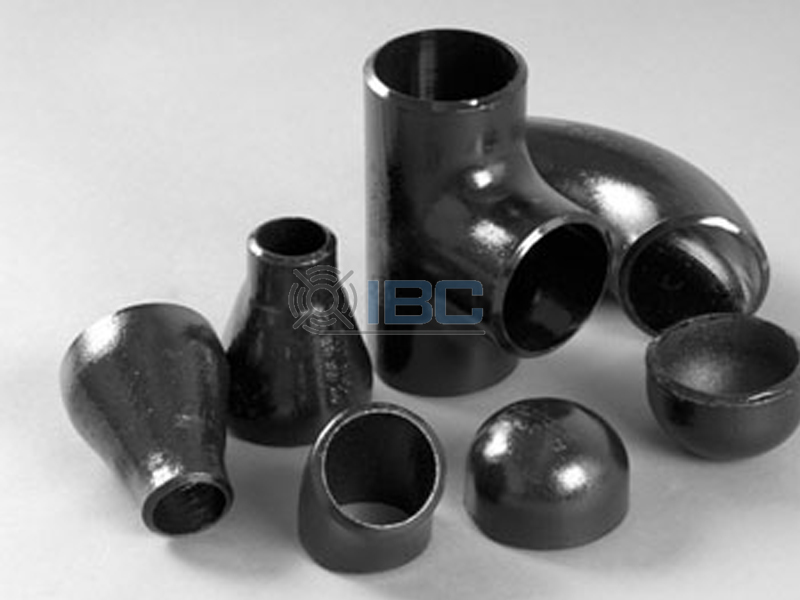
Hydrogen sulfide (H2S) exposure remains a primary cause of pipeline failures in oil and gas operations. Selecting appropriate sour service steel pipe demands rigorous adherence to NACE international standards, not merely generic corrosion resistance claims. This guide clarifies technical requirements for engineers specifying materials in acidic environments.
Decoding NACE Compliance: Beyond Marketing Buzzwords
Contrary to supplier claims, NACE International (now merged into AMPP) does not certify products. Compliance is validated through third-party testing against specific standards:
- NACE MR0175/ISO 15156: Hardness and composition limits
- NACE TM0284: Hydrogen-induced cracking (HIC) resistance
- NACE TM0177: Sulfide stress corrosion cracking (SSC) tests

A 2023 survey of failed pipelines revealed 68% of incidents involved improperly documented “NACE-compliant” pipe lacking valid test reports.
Metallurgical Design for Sour Service Performance
Sour service steel pipe chemistry is meticulously controlled to prevent failure mechanisms:
Table: Key Chemical and Mechanical Requirements
| Parameter | Sour Service Pipe | Standard Pipe | Critical Reason |
| Manganese (Mn) | ≤1.30% | ≤1.65% | Reduces MnS inclusions |
| Calcium/Sulfur | ≥1.5 | Not required | Controls sulfide morphology |
| Hardness (HRC) | ≤22 | ≤26 | Prevents SSC initiation |
| CEV (Pcm) | ≤0.25 | ≤0.35 | Improves weldability |
| HIC Pass Rate | 100% | ≤70% | Per NACE TM0284 Solution A |
The calcium treatment process modifies sulfide inclusions into spherical shapes, reducing crack initiation sites. This metallurgical control allows sour service steel pipe to withstand H2S partial pressures >0.3 psi – a threshold lethal to conventional carbon steel.

Validation Testing: Interpreting Real-World Data
Third-party laboratories conduct mandatory tests simulating field conditions:
HIC Test (NACE TM0284):
96-hour exposure to H2S-saturated solution
Acceptance criteria: CLR ≤15%, CTR ≤5%, CSR ≤2%
SSC Test (NACE TM0177 Method A):
720-hour constant tensile load in acidic brine
Requirement: Zero cracks at 80% AYS (Actual Yield Strength)
The 2024 Campos Basin project demonstrated these protocols’ value: Using properly validated sour service steel pipe reduced maintenance costs by $1.8M/year compared to non-compliant alternatives.
Material Selection Matrix for Specific Environments
Not all sour service conditions demand identical solutions. Consider these application-driven guidelines:
High H2S Concentration (>5%):
- Opt for killed steel with Ca/S ≥2.0
- Specify normalizing heat treatment
- Require supplementary SSC testing at 90% AYS

CO2 Dominant Systems:
- Chromium-modified steels (0.5-1.0% Cr) reduce corrosion rates
- Acceptable hardness up to 26 HRC per NACE MR0175 Annex C
Subsea Applications:
- DNV-OS-F101 requires additional CTOD testing
- Wall thickness allowance: +15% over design pressure
Contact with us today!