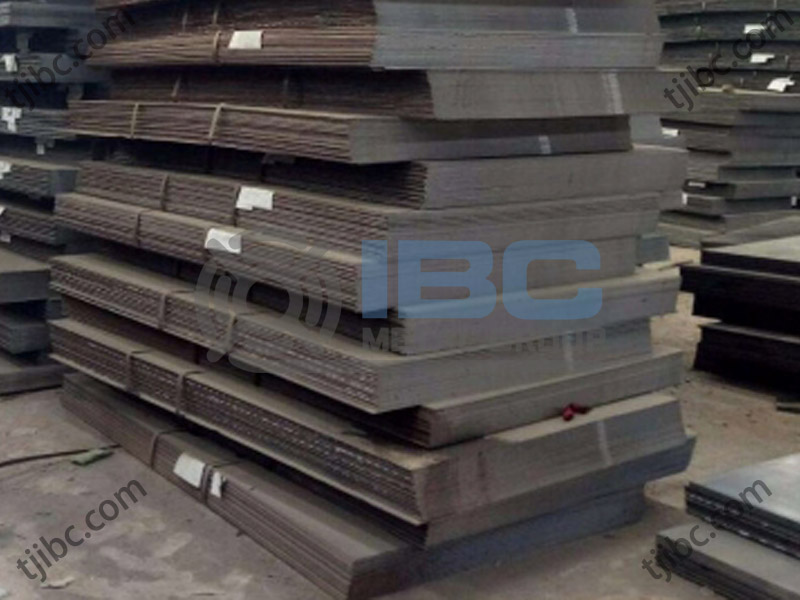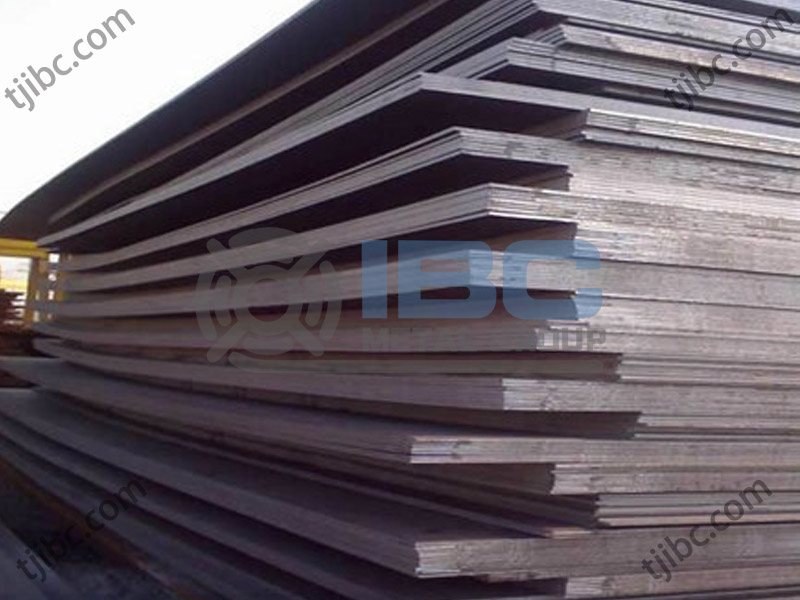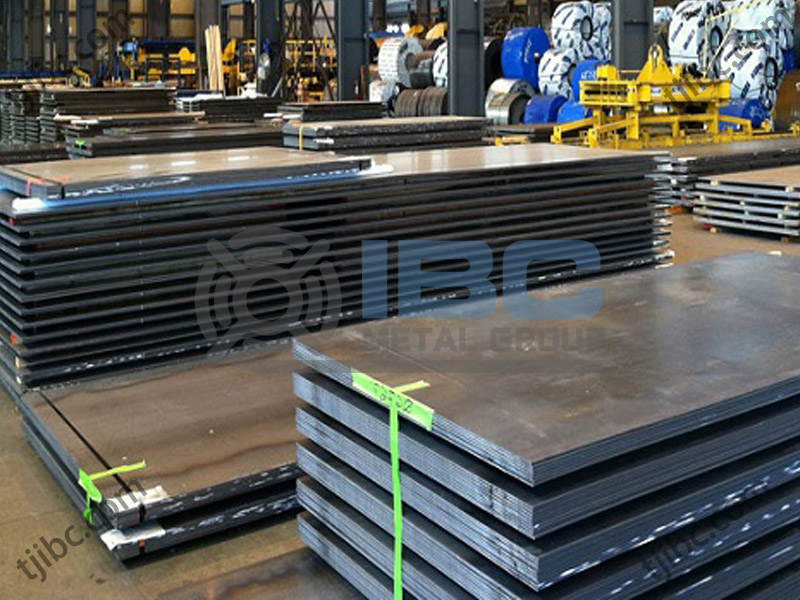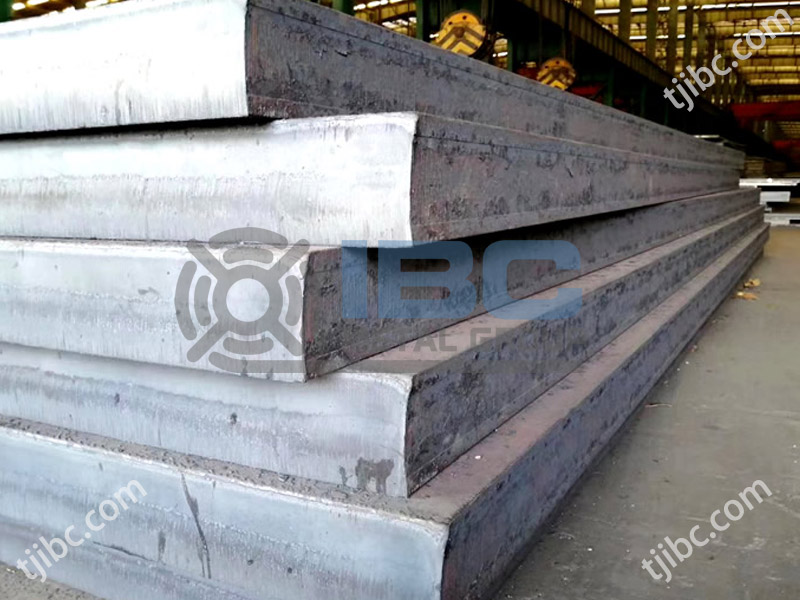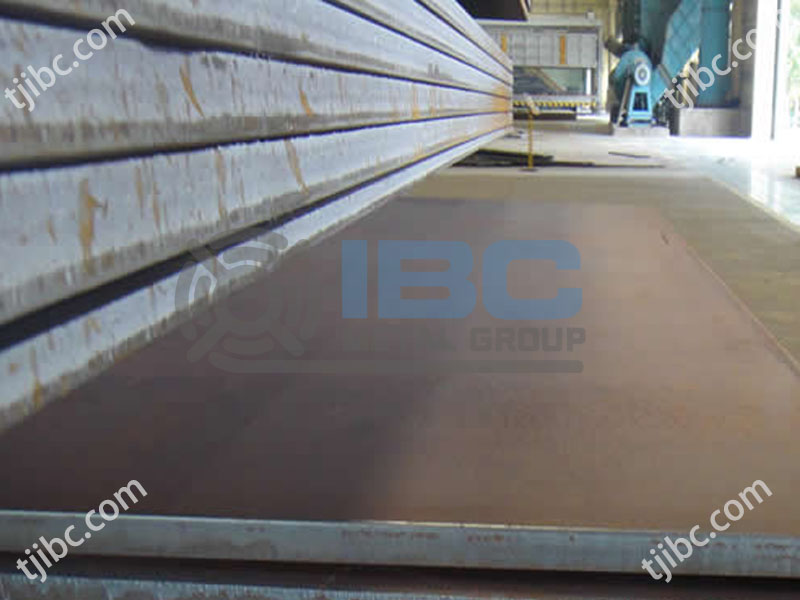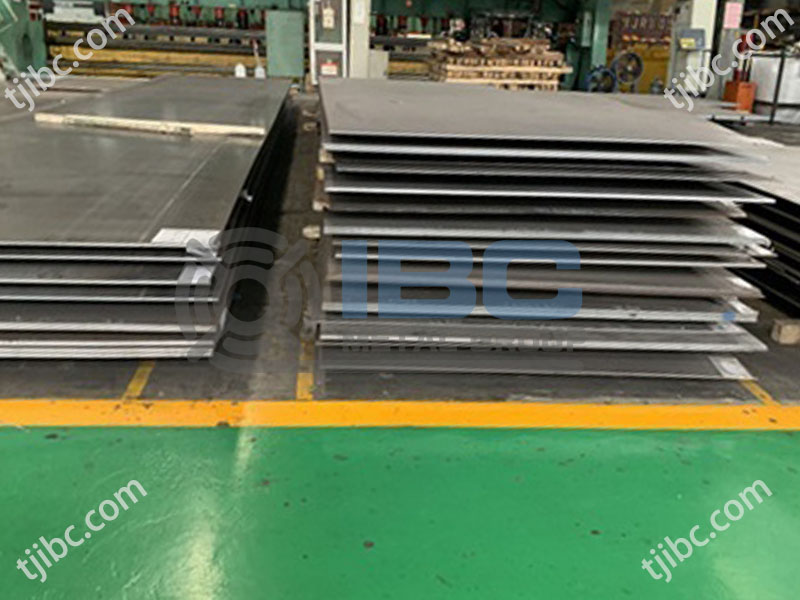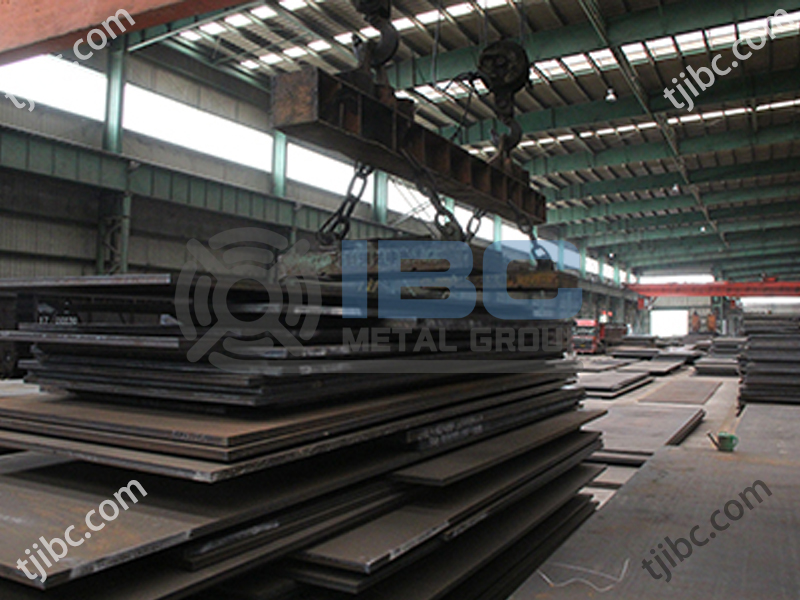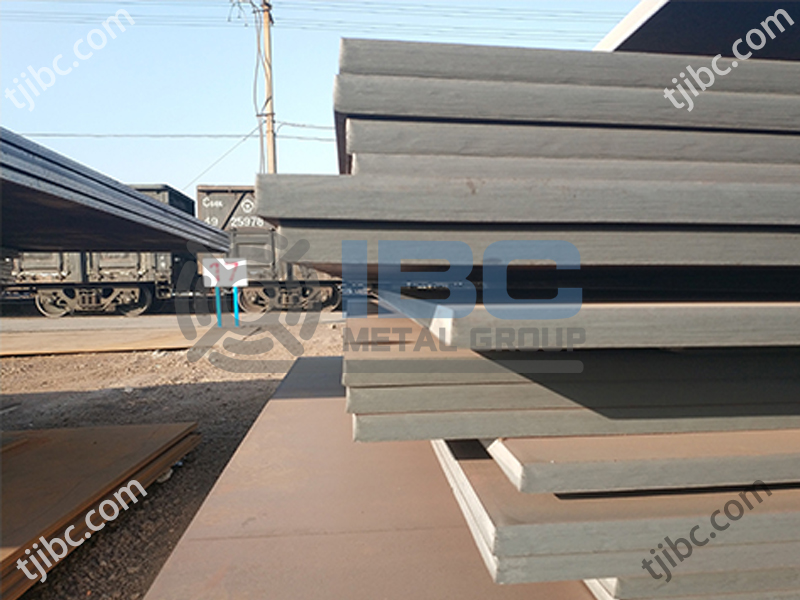
Pressure vessel steel plate is a specialized category of materials engineered to contain gases or liquids at pressures significantly different from atmospheric pressure. The integrity of these materials is paramount, as failure can be catastrophic. At IBC Group, we supply a comprehensive range of internationally certified pressure vessel steel plates, leveraging decades of expertise to serve the global oil, gas, and petrochemical industries.
This guide will delve into the key characteristics, common grades, governing standards, and critical applications of pressure vessel steel plates.
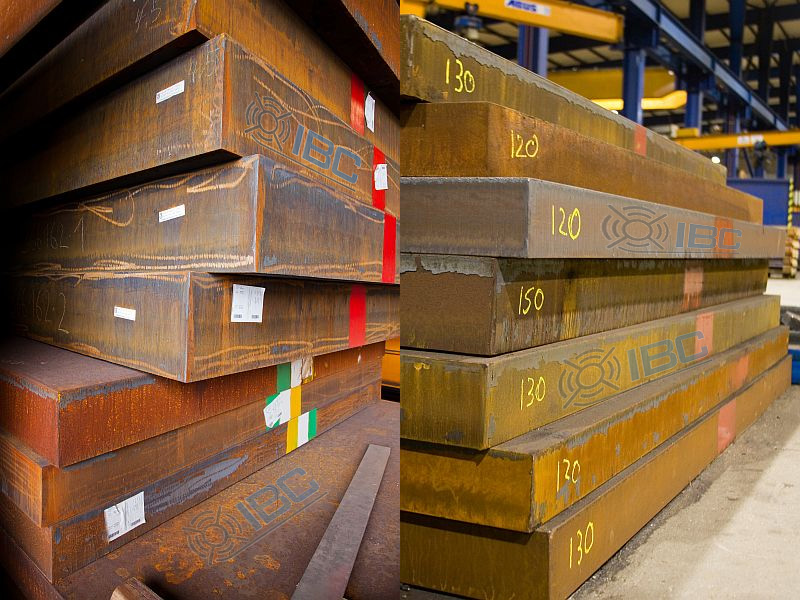
What Makes Pressure Vessel Steel Plate Different?
Unlike standard structural steel, pressure vessel plates are designed with a precise combination of strength, toughness, and weldability. They must withstand:
- High Internal Pressure: Resisting deformation and rupture.
- Extreme Temperatures: From cryogenic conditions to high-heat environments.
- Corrosive Media: Exposure to chemicals, sour gas (H2S), and other corrosive substances.
To ensure reliability, the manufacturing and welding of these plates strictly adhere to international codes such as ASME Section IX and AWS D1.1. Furthermore, independent inspection bodies like TÜV, ABS, and The National Board often certify the final products.
Common Pressure Vessel Steel Grades and Specifications
Selecting the correct steel grade is critical for safety and performance. Below is a detailed overview of the most widely used pressure vessel steel plates.
1. ASTM A516 Steel Plate
This is the most common carbon steel grade for pressure vessels operating at moderate and lower temperatures.
- Key Characteristics: Excellent notch toughness and weldability.
- Common Grades: A516 Grade 60, 65, 70 (the number indicates the minimum yield strength in ksi).
- Applications: Boilers, storage tanks for oil and gas, and pressure vessels in non-corrosive services.
2. ASTM A537 Steel Plate
The heat treatment process (normalizing or quenching and tempering) produces a carbon-manganese-silicon steel plate, A537, with higher strength than A516.
- Key Characteristics: Superior yield and tensile strength due to heat treatment.
- Applications: Offshore platforms, large-scale liquefied gas storage tanks, and other high-stress structural applications.
3. ASTM A285 Steel Plate
A285 is a lower-cost carbon steel plate typically supplied in the as-rolled condition, intended for lower-pressure applications.
- Key Characteristics: Good weldability and formability at an economical price point.
- Applications: Low-pressure tanks, water storage vessels, and other non-critical containment systems.
Governing Standards: ASME/ASTM vs. EN 10028
The materials used in pressure vessels are tightly regulated. The two most prominent families of standards are:
- ASME/ASTM (American): Standards like ASTM A516 and ASME Section II are predominant in North America and many international projects. They are performance-based and widely recognized.
- EN 10028 (European): This series of standards (e.g., P355GH, P460NH) is common in Europe and for clients supplying to European fabricators. They often have stricter controls on chemical composition.
At IBC Group, we supply materials that meet and exceed the requirements of both standard families, ensuring global compliance.
Applications of Pressure Vessel Steel Plate
These specialized plates are found in a vast array of industries and equipment:
CNG & LNG: Transportation cylinders and storage tanks for compressed and liquefied natural gas.
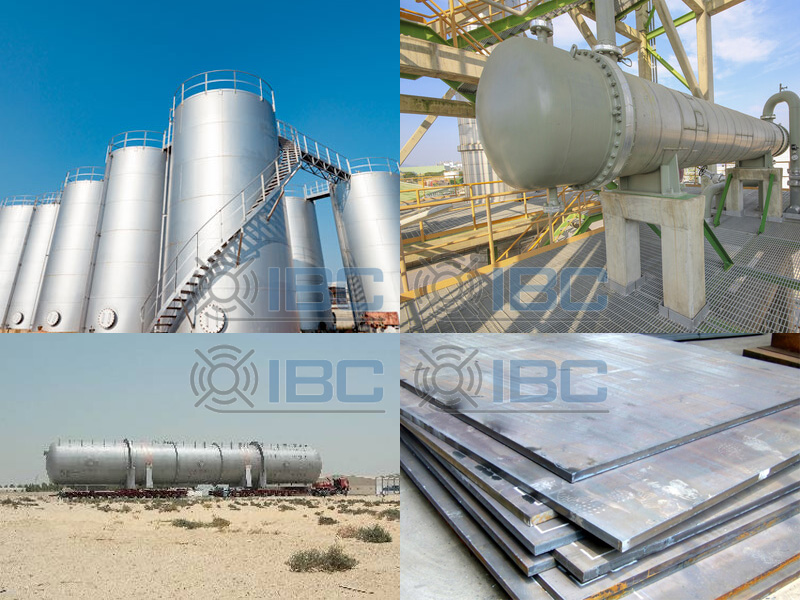
Oil & Gas: Reactors, separators, and storage spheres in refineries and offshore platforms.
Petrochemical: Columns and heat exchangers processing chemicals.
Power Generation: Boilers and steam drums in fossil fuel and nuclear power plants.
Why Partner with IBC Group for Your Pressure Vessel Steel?
At IBC (Tianjin) Industrial Co., Ltd., our strength lies in our unwavering commitment to quality and specialization.
- Global Reputation: We are a trusted supplier to fabricators who serve the world’s leading energy companies.
- Proven Expertise: Our technical team possesses deep knowledge of material science and international pressure vessel codes.
- Certified Quality: We hold relevant certifications and employ a full-time certified welding inspector to oversee processes, ensuring every plate meets stringent standards.
- Specialized Stock: We maintain one of the world’s largest stocks of HIC-resistant steel plates, ready for urgent deployment to your project.
Conclusion
Choosing the correct pressure vessel steel plate is a critical engineering decision that impacts safety, performance, and total cost of ownership. By understanding the grades, standards, and specific threats like HIC, you can make an informed choice for your application.
Ready to specify the right material for your project? Contact IBC Group today to speak with our technical experts and request a quotation for certified, high-performance pressure vessel steel plates.
Contact with IBC Group Today!