Introduction to ABS Grade FQ70 Steel Plate
In the pursuit of ultimate safety at sea, protecting critical ship structures from the threat of fire is paramount. While standard high-strength steels like EQ70 excel under normal and low-temperature conditions, their strength drops significantly when exposed to fire-level temperatures. This is where ABS Grade FQ70 Steel Plate comes into play. As a specialized fire-resistant (FR) steel, FQ70 is engineered to maintain a high percentage of its room-temperature yield strength when exposed to temperatures around 500°C (932°F), providing crucial extra time for evacuation and firefighting.

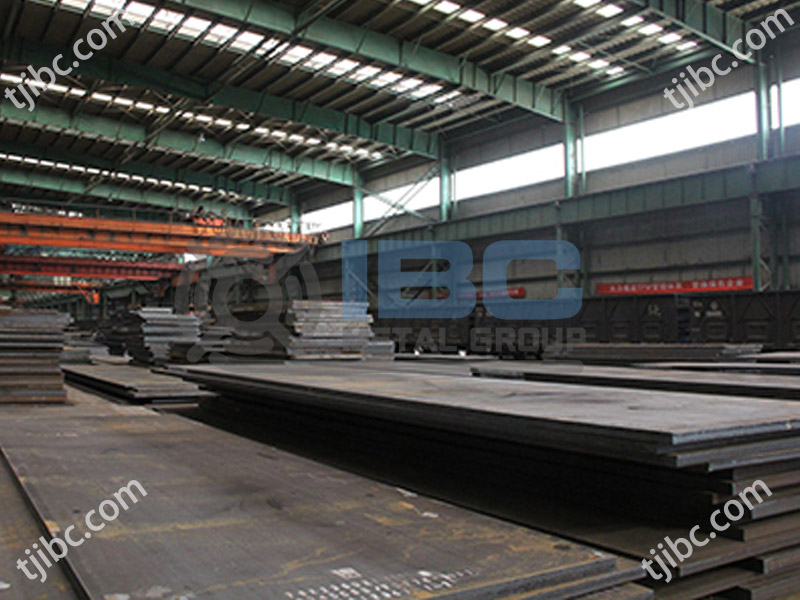
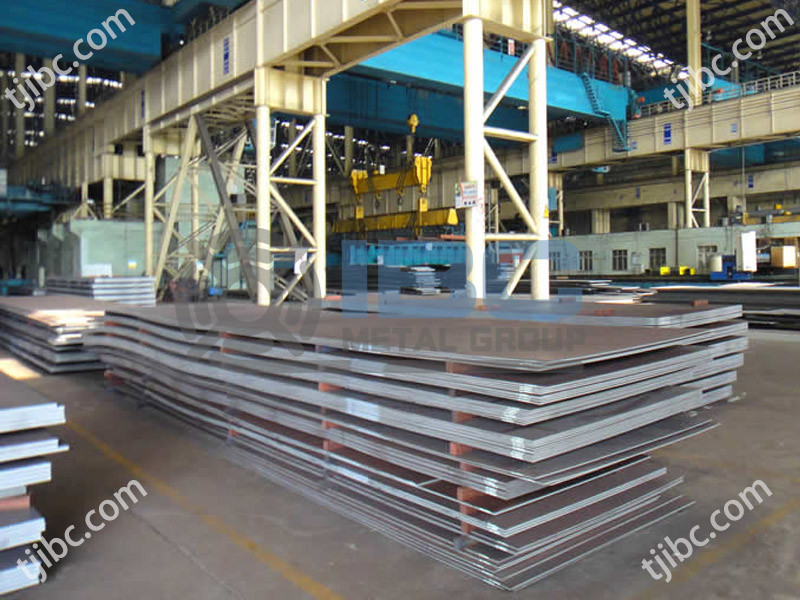
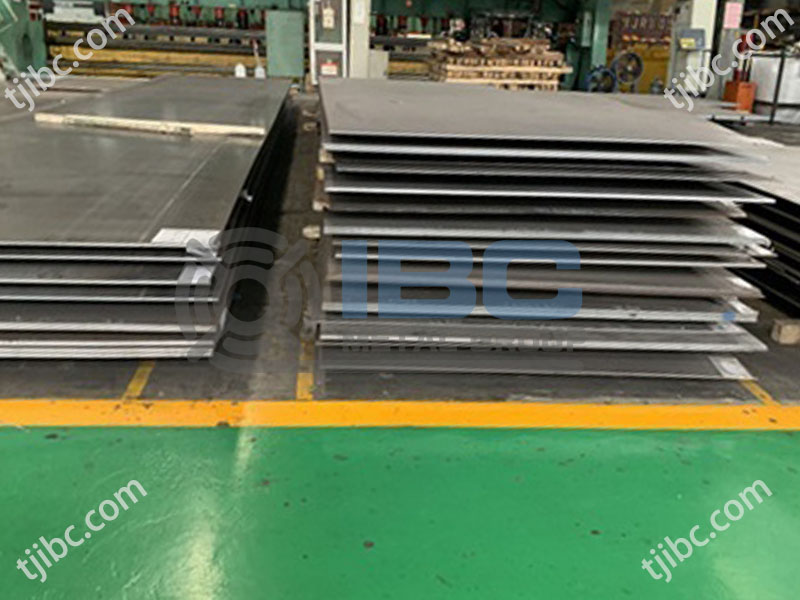
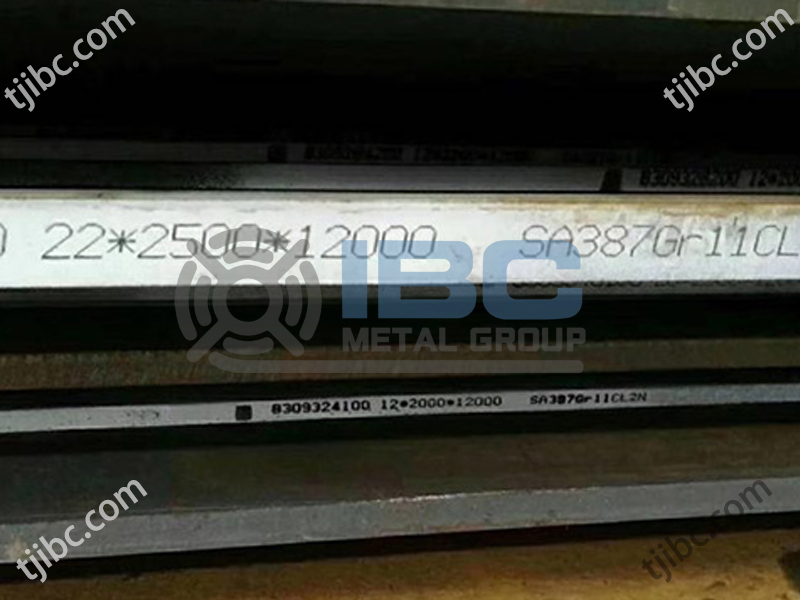
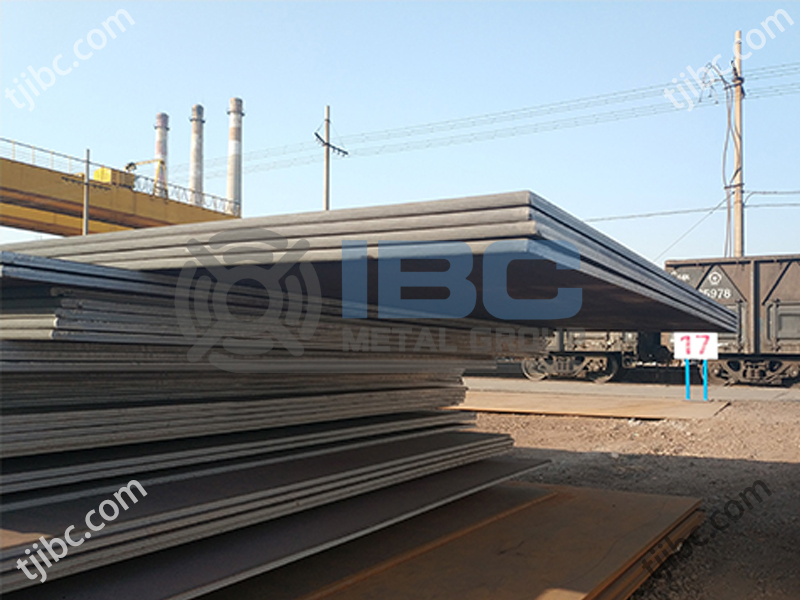
At IBC Group, we supply certified ABS FQ70 plates to shipyards and fabricators worldwide, enabling them to build safer offshore platforms, passenger ships, and other high-risk vessels where structural integrity during a fire is non-negotiable.
ABS Grade FQ70 Shipbuilding Steel Plate Chemical Composition
The remarkable performance of FQ70 stems from a specific chemical formulation, often based on a modified HSLA (High-Strength Low-Alloy) composition with microalloying elements. The key is the careful balance of elements like Molybdenum (Mo), which is a critical component for enhancing strength retention at high temperatures. A typical chemical composition range for FQ70 is as follows:
| C max | Si max | Mn | P max | S max | N max. |
| 0.18 | 0.55 | 1.60 | 0.020 | 0.020 | 0.020 |
ABS Grade FQ70 Shipbuilding Steel Plate Mechanical Property
| Yield Strength (MPa) min. | Tensile Strength (MPa) | Elongation min. % |
| 690 | 770-940 | 14 |
Application of ABS Grade FQ70 Shipbuilding Steel Plate
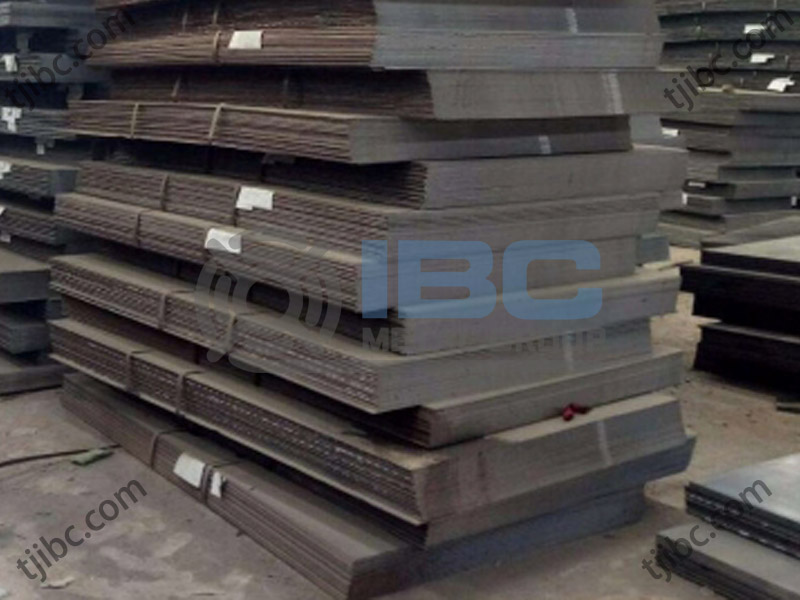
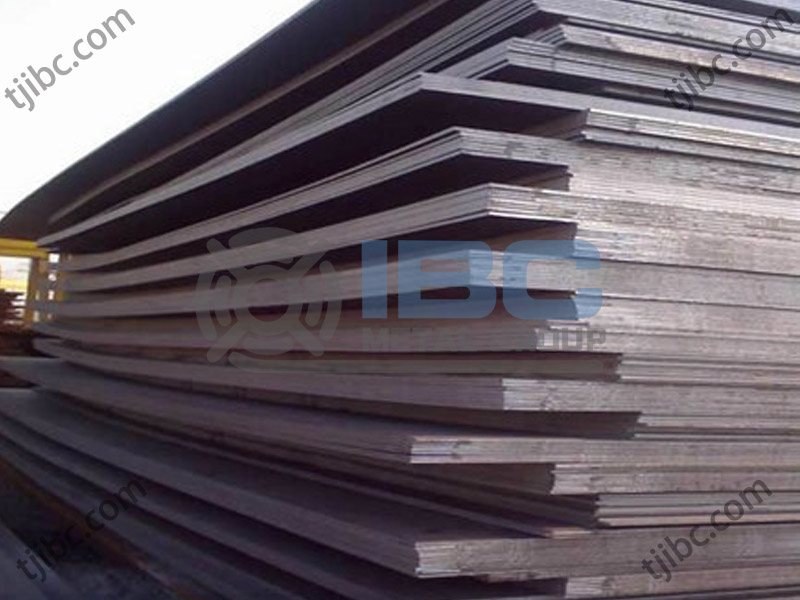
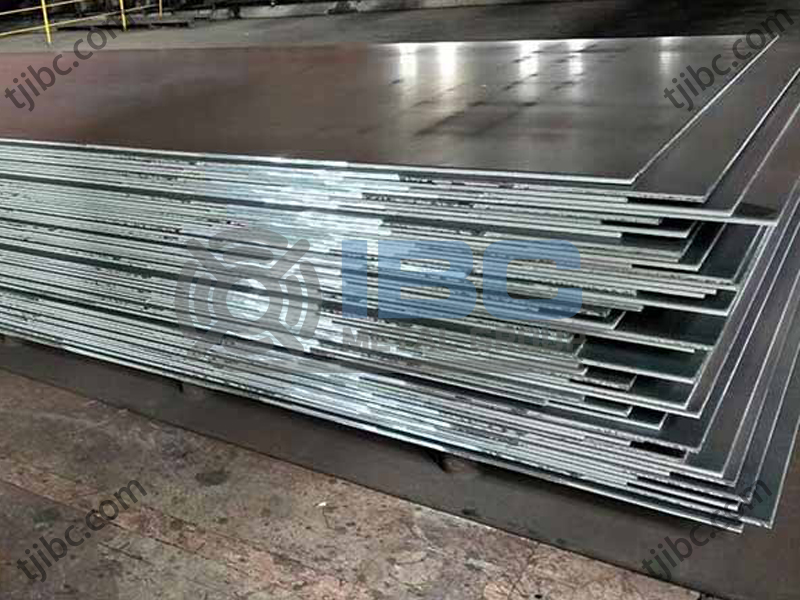
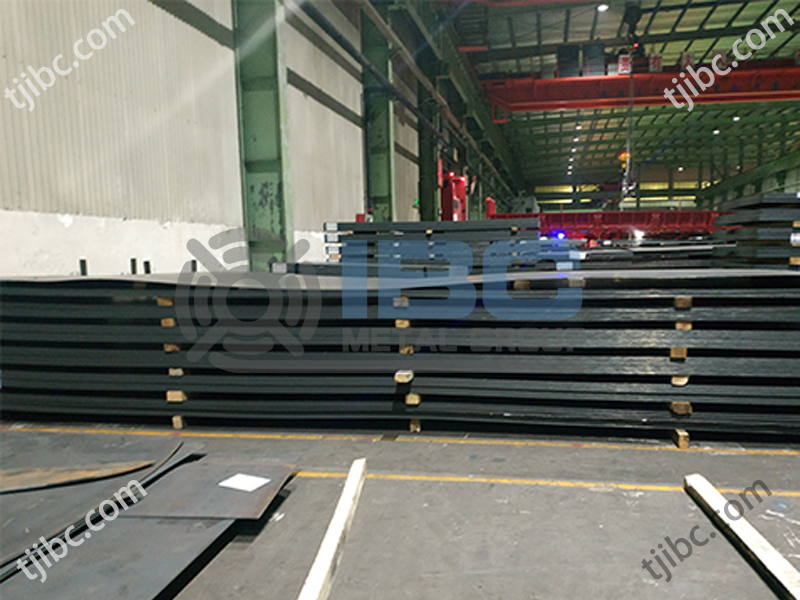
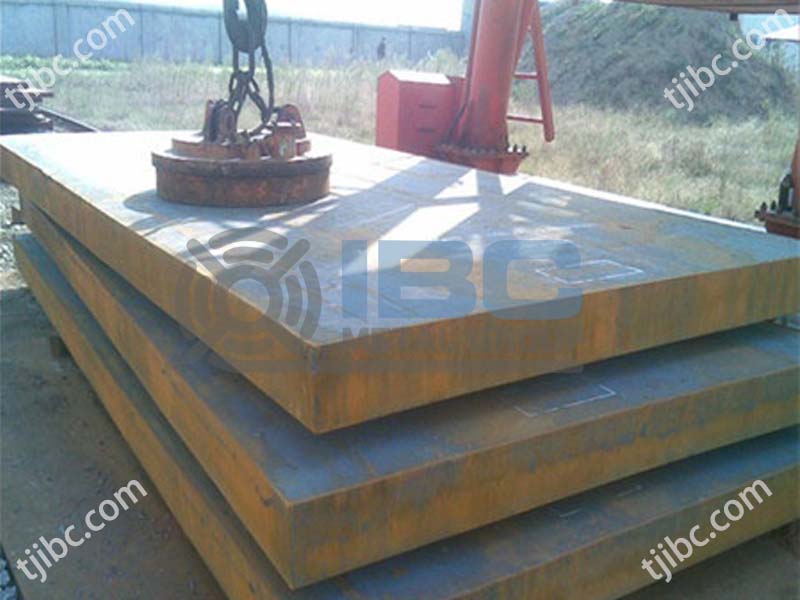
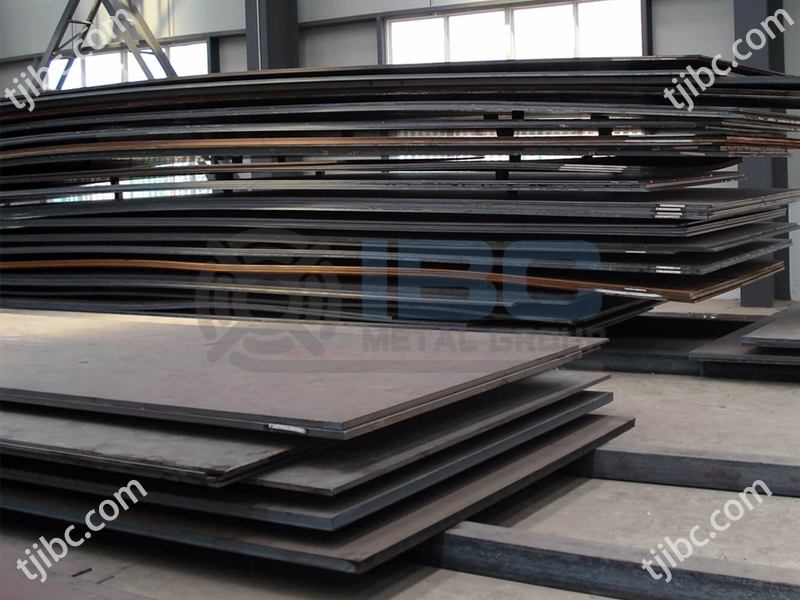
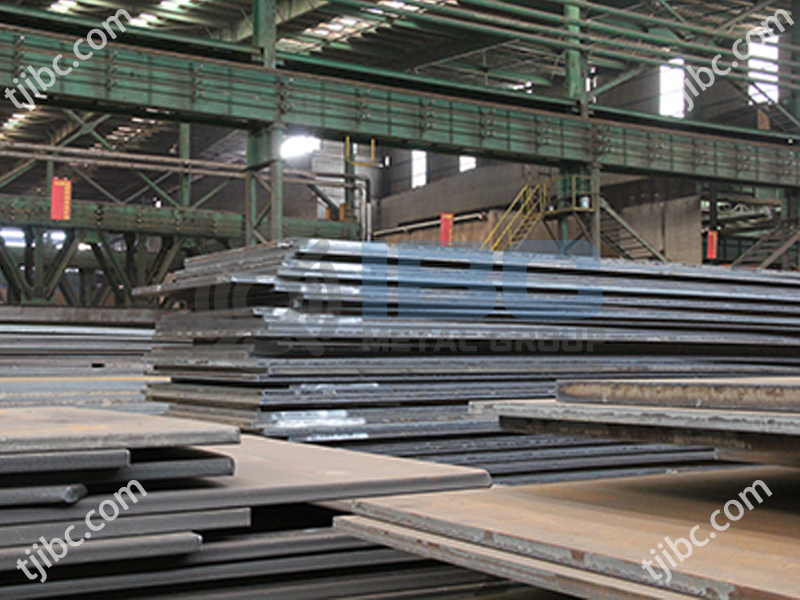
We mainly use ABS Grade FQ70 Shipbuilding steel plate to Shipbuilding Project and Ocean Offshore Structural Project.
The application of FQ70 is focused on locations where personnel safety is critical and the fire risk is elevated. Its use is often mandated by safety regulations for specific vessel types.
Primary Applications Include:
1. Offshore Oil & Gas Platforms: Used for helidecks, living quarters, escape routes, and fire-sensitive structural modules. Protecting these areas is vital for the safe evacuation of personnel in case of a platform fire or blowout.
2. Passenger Ships (Cruise Liners, RoPax Ferries): Applied in stairwell enclosures, bulkheads in accommodation areas, and machinery casing walls. This helps to maintain the integrity of escape passages, which is the highest priority during a fire emergency at sea.
3. Naval Vessels: Used in critical command and control centers, magazine boundaries, and engineering spaces to enhance survivability.
4. LNG Carriers and FPSOs: Employed in areas adjacent to high-risk process equipment to provide a passive fire protection barrier, complementing active systems.
Conclusion
ABS Grade FQ70 Shipbuilding Steel Plate is not just a material; it is a vital safety system integrated into the vessel’s structure. By choosing FQ70, designers and shipowners make a proactive investment in the safety of lives, assets, and the environment.
For a reliable supply of fully certified ABS Grade FQ70 fire-resistant steel plate, contact IBC Group today. Let us help you build vessels that are not only strong and efficient but also inherently safer in the face of danger.